

Traditional Method: tradition, technique and quality
When people think of sparkling wine, they often imagine Prosecco or fresh, light, easy-drinking bubbles. But there is a far more complex, prestigious and artisanal production method that gives life to some of the most elegant sparkling wines in the world: the Metodo Classico, also known as méthode champenoise.
It is the method used for Champagne, Franciacorta, Trentodoc and for high-end productions that place elegance, complexity and ageing potential at the center.
What is the Metodo Classico?
The Metodo Classico involves a second fermentation directly in the bottle. One decision that changes everything: timing, costs, aromas, structure and persistence.
The process includes:
- Base wine: a selected cuvée, typically made from Chardonnay, Pinot Noir, Pinot Meunier or Pinot Blanc.
- Tirage: addition of yeasts and sugars to the bottle.
- Second fermentation in bottle: this is where the bubbles are created — natural, fine and delicate.
- Ageing on the lees: the yeasts remain in the bottle for a minimum of 18 months, often much longer, releasing complex aromas and depth.
- Remuage: gradual rotation and tilting of the bottles to collect the lees in the neck, clarifying the wine before disgorgement.
- Disgorgement (dégorgement): removal of the spent yeasts, often using the à la glace method.
- Dosage: addition of the liqueur d’expédition, the winery’s secret recipe, defining the final style (Brut, Extra Brut, Pas Dosé, etc.).
The result is a fine, persistent, creamy mousse accompanied by deep aromas of:
- bread crust
- yeast
- pastry
- hazelnut
- buttery and vanilla notes (depending on the grape variety)
The structure allows the sparkling wine to mature and evolve over time, like a great reserve wine.
Metodo Classico vs Charmat Method
To understand why the Metodo Classico is so special, it helps to compare it with the Charmat (or Martinotti) Method, used for example for Prosecco.
Charmat Method (Prosecco, Asti, etc.)
- Second fermentation in pressurized tanks (autoclaves).
- Faster production.
- Fresh, fruity aromas.
- Larger, less persistent bubbles.
Metodo Classico (Champagne, Franciacorta, etc.)
- Second fermentation in bottle.
- Requires years of work.
- Greater complexity and structure.
- Extremely fine, creamy and persistent bubbles.
- Strong ageing potential.
In short: Charmat is immediacy; Metodo Classico is depth.
Ventiquattronodi: the Metodo Classico of the Lucchesi Hills
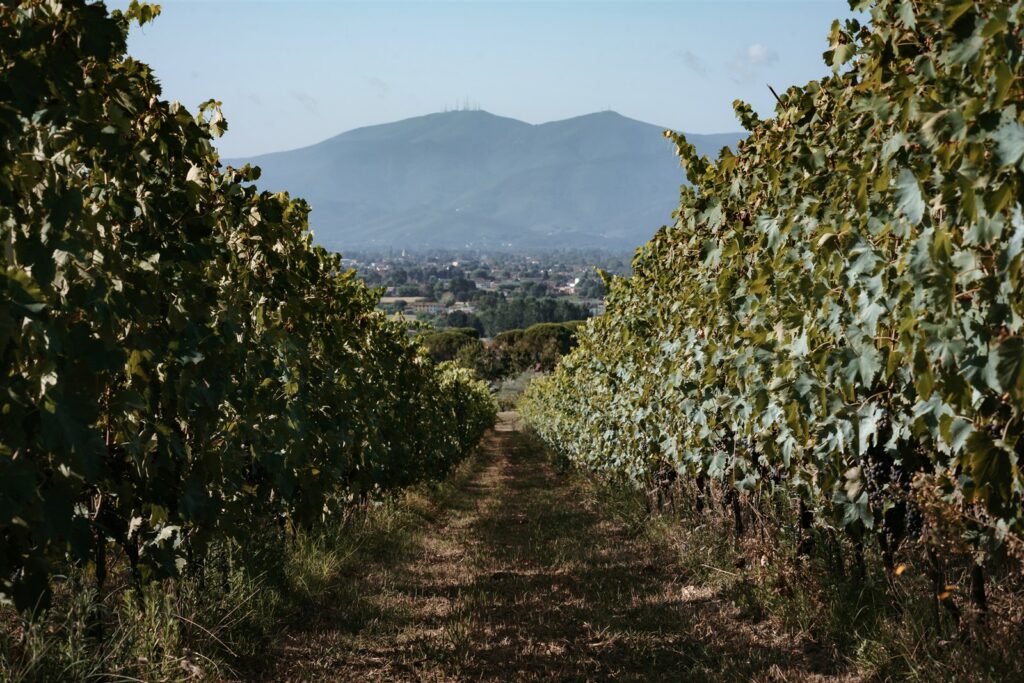
Within this context stands Ventiquattronodi, the sparkling wine by La Badiola, which has chosen the Metodo Classico to create a high-profile sparkling wine.
It is the only Metodo Classico produced in the Lucchesi Hills — a distinction that enhances the territory and places it in a higher quality tier.
Key Features
- 100% Chardonnay – an elegant and internationally recognized choice. – scelta elegante e internazionale.
- 36 months on the lees – extended ageing typical of premium sparkling wines.
- Color: bright straw yellow with golden reflections.
- Perlage: fine, dense and persistent.
- Aromas: vanilla, yeast, bread crust and fragrant notes.
- Taste: fresh, savory, mineral, with an elegant and persistent finish.
- Serving temperature: 8–10 °C.
- Food pairings: perfect for refined aperitifs, risottos, fish, delicate white meats and soft cheeses.
Why choose a Metodo Classico?
It means choosing:
- a slow, artisanal production process
- greater complexity
- more elegance on the palate
- finer bubbles
- real ageing potential
And in the case of Ventiquattronodi, it also means choosing a unique expression of the Lucchese territory — a small excellence waiting to be discovered.